Let's be honest: gift-giving can feel like an art form, but also a minefield of anxiety. We often spend hours searching for that perfect item, only to realize the item itself isn't what holds the value—the sentiment is. Too many gifts are transactional; they are simply things bought off a shelf and handed over with a hasty "Happy Birthday!" But true thoughtfulness? That feels like magic.
The goal of giving should never be to spend money, but to create a memory. The challenge isn't buying something expensive; it’s knowing how to elevate a simple gift into a luxury experience. It requires shifting your focus from the perceived cost of the object to the richness of the narrative surrounding it. By incorporating small details and deep consideration, you can transform an ordinary gesture into a moment that feels profoundly luxurious—for both the giver and, more importantly, the receiver.
Shifting Focus: The Psychology Behind Thoughtful Giving
Before we talk about ribbon or scented candles, we have to nail down the mindset. Luxury isn't just about gold plating; it’s about attention. It is a deep recognition of the recipient's unique tastes and current needs. If you approach gifting with the goal of solving a problem or celebrating an identity—rather than just checking a box—the gift inherently gains value.
Think of your gift as a story. The object is merely one character in that tale. To make it feel luxurious, you must write the rest of the narrative yourself through presentation and context. This means asking critical questions: What does this person truly need right now? Is it comfort, adventure, or quiet time?
One friend of mine gave a simple box of gourmet tea to his mother for Mother's Day. It was lovely, but predictable. The year after, he did the same thing, yet he included a personalized reading list of poetry and a handwritten note detailing why those specific poems resonated with her current life stage. Suddenly, it wasn't just tea; it was an afternoon appointment with her favorite thoughts. That small addition transformed the gesture entirely.
Curating the Unboxing Moment: The Art of Presentation
The moment a gift is opened—the unboxing experience—is often more memorable than the object inside. It should feel like peeling back layers of anticipation, building excitement step by step. This phase requires treating packaging not as waste material, but as an integral part of the gift itself.
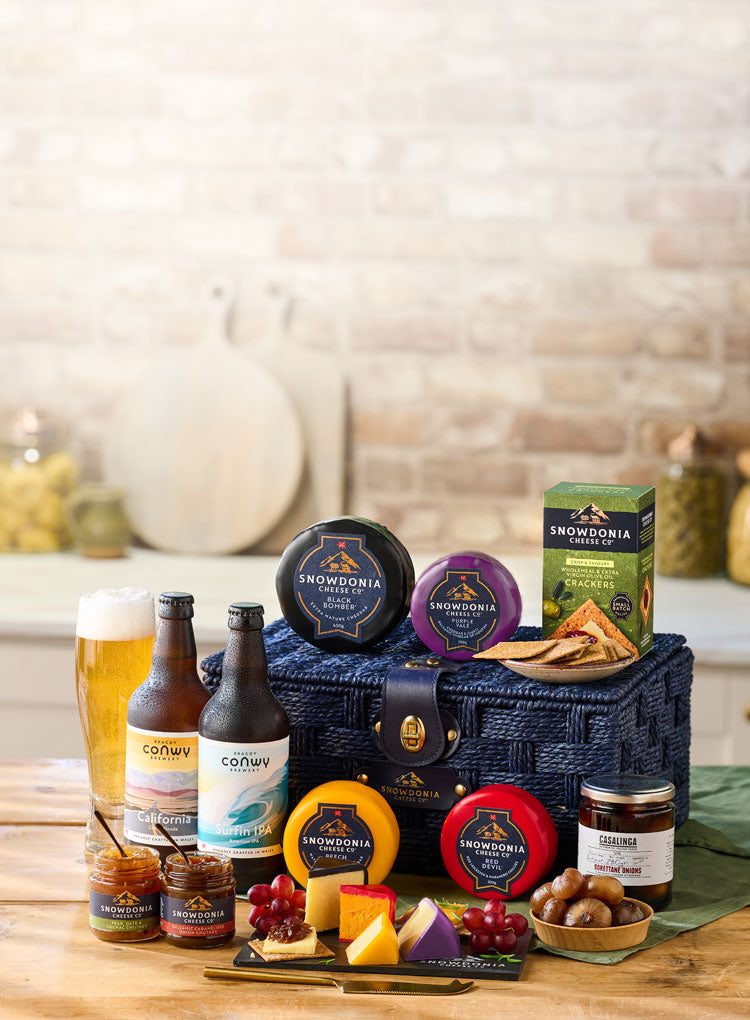
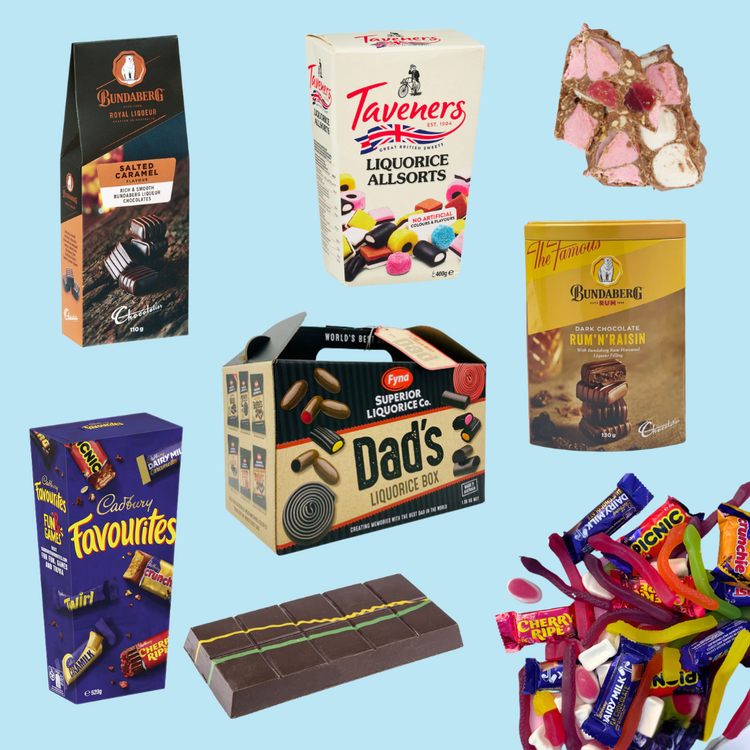
To execute this flawlessly, focus on these sensory details:
- The Touch: Use varied textures—a velvet ribbon contrasting with rough twine, or matte paper against glossy cardstock. The Sight: Skip the generic bows. Opt for structural elements, like a carefully folded piece of fabric that acts as a sleeve or a box designed to look like a keepsake. The Smell: Incorporate subtle scents, such as cedar shavings placed in the tissue paper or a personalized wax seal stamp.
Mastering these details is crucial when learning how to elevate a simple gift into a luxury experience. It shows effort without requiring exorbitant spending.
Weaving in Sensory Layers: Beyond the Visuals
A genuinely luxurious moment engages multiple senses, not just sight. When we talk about making an ordinary object feel extraordinary, we are talking about creating an environment around it. The physical item is the centerpiece, but the surrounding sensory details are the supporting cast that makes the play unforgettable.
Consider pairing a gifted book with a specific beverage—a rare blend of coffee or tea—and suggesting a comfortable spot to read it. This moves the gift from being "an object" to being an activity. It becomes a designated moment in time.
Why do these layers work so well? Because they slow down the recipient. They force them to pause, inhale, and savor. As the famous designer Coco Chanel once noted, “Fashion fades, only style remains the same.” The style of giving should be permanence—the memory created by all the senses working together.
Making It Irreplaceable: Contextualizing the Gift
The final, most You can find out more potent step in learning how to elevate a simple gift into a luxury experience is contextualization. This means making it specific to them, not just to an occasion. A generic "Get well" basket feels hollow. But if you know your friend loves reading historical fiction and has been dealing with insomnia lately, Browse around this site gifting a plush eye mask, a journal, and the first edition of a book set in their favorite period? That is infinitely more luxurious than any monetary value could suggest.
Personalization transforms transaction into dialogue. It tells the recipient: "I see you. I listen to you." This depth of understanding makes the gift irreplaceable because it cannot be bought from a store—it must be earned through attention. Is there a shared inside joke that can inspire the wrapping paper design? Does their job involve navigating chaos, and maybe a small, perfectly weighted desk toy would bring them momentary peace? Thinking this deeply is the ultimate luxury.
Crafting Lasting Impressions Beyond the Bow
The true measure of a gift’s quality isn't how much it cost; it's how long the feeling lasts. The goal should be to provide not just an object, but a sustained moment of joy or comfort that they will carry with them long after the wrapping paper has been discarded.
To make these memories last, remember that follow-through is key. A subtle call-to-action might involve sending a small handwritten card three months later: "I was thinking about our tea pairing and hope you are well." This reminds them of the thoughtful effort and keeps the connection warm, solidifying the feeling of being seen and appreciated.
Continuing the Gift Narrative Into Lasting Connection
The act of giving is one of humanity's most powerful connective rituals. By approaching your next gift with intention—by mastering the subtle art of presentation, engaging multiple senses, and personalizing every element—you move beyond mere gifting into true emotional craftsmanship. Start small: notice the textures in your wrapping paper, write a note mentioning a specific shared memory related to the item, or suggest doing something together after they open it. This mindful approach ensures that your thoughtfulness shines through brighter than any bow ever could.